Discovering De Vuurbaak: Katwijk's Enduring Coastal Icon
Nestled along the picturesque coastline of the Netherlands lies Katwijk aan Zee, a charming Dutch seaside town celebrated for its vast beaches, vibrant fishing heritage, and a history stretching back centuries. Amidst this rich tapestry, one landmark stands tall, a silent sentinel witnessing the ebb and flow of time: De Vuurbaak. For anyone wondering Waar Staat De Vuurbaak – its precise location and profound significance – this article unveils the story of Katwijk's historic lighthouse, a true testament to maritime resilience and cultural identity.
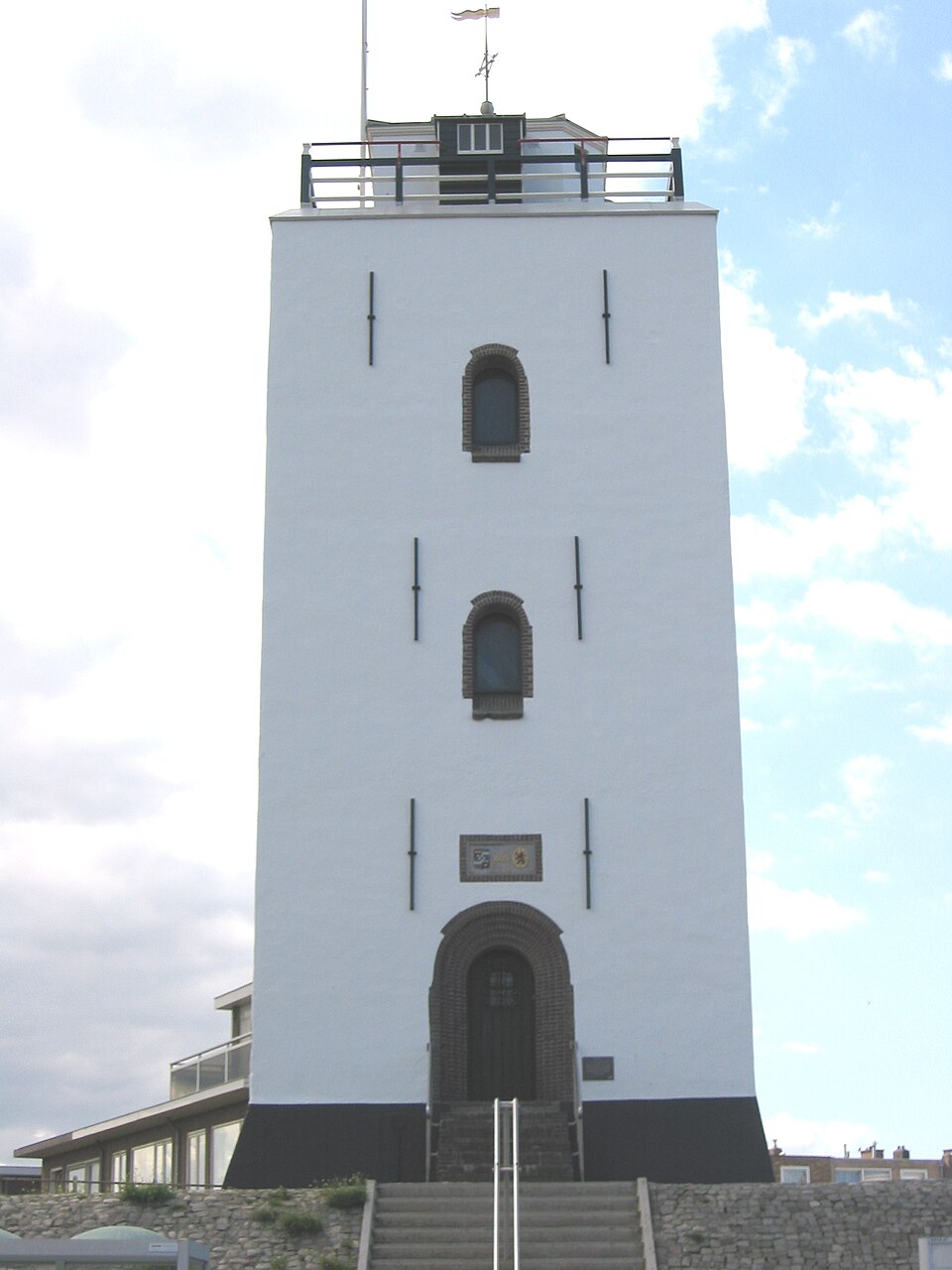
De Vuurbaak is not merely an old structure; it is a living monument, deeply embedded in the heart of Katwijk aan Zee. Located in the province of Zuid-Holland, this iconic lighthouse proudly anchors the southwestern side of the village, standing directly behind the bustling boulevard at Vuurbaakplein. To be precise, its address is Vuurbaakplein 3, 2225 JB Katwijk aan Zee. This prime position makes it an unmissable sight, easily accessible to both curious locals and international visitors eager to delve into Dutch coastal history.
A Beacon Through Time: The Rich History of De Vuurbaak
Stepping back in time, De Vuurbaak reveals itself as one of the Netherlands' oldest surviving lighthouses. Constructed in 1605, it proudly claims its place as the second oldest still-standing lighthouse in the country, surpassed only by the famed Brandaris on Terschelling. This remarkable longevity speaks volumes about its sturdy construction and enduring importance. Locally, it's affectionately known as the "Vierboet," a nod to its square shape and historical function as a 'fire-beacon.'
The original purpose of this approximately 14-meter-high brick tower was singular and vital: to serve as a guiding light for the fishing vessels of Katwijk. In an era before advanced navigation technology, the Vuurbaak was a crucial lifeline, directing ships safely back to port. Initially, the beacon burned with a simple wood fire ignited on its flat roof. Over time, as technology slowly advanced, this gave way to a coal fire, providing a more consistent and brighter flame. By the mid-19th century, the system was upgraded again, incorporating an oil lamp with a reflector to maximize its reach across the often-treacherous North Sea.
However, as with many historical marvels, the primary navigational function of De Vuurbaak eventually faded. Around 1913, with the advent of more sophisticated lighting systems and nautical instruments, the need for a manually operated coastal beacon diminished. Yet, its story didn't end there. During the First World War, the tower found a new, albeit temporary, role as an observation post for the Royal Netherlands Navy, manned by a small crew of three sailors. Decades later, during the Second World War, it was tragically repurposed once more by German occupiers, who mounted a machine gun on its top. Despite the destruction of much of the surrounding neighborhood during wartime demolitions for defense lines, De Vuurbaak stood resilient.
Today, De Vuurbaak stands as a protected rijksmonument (national monument), owned by the municipality of Katwijk. Its journey from a functional beacon to a cherished historical artifact beautifully illustrates the evolution of coastal life and the enduring spirit of maritime communities. For a deeper dive into its specific role in guiding Katwijk's historic fishing fleet, you might find De Vuurbaak: Unveiling Katwijk's Oldest Fisherman's Beacon a fascinating read.
More Than Just a Lighthouse: De Vuurbaak's Cultural & Modern Appeal
While De Vuurbaak may no longer guide ships with its light, its role in the cultural fabric of Katwijk aan Zee has only grown stronger. It has transcended its original purpose to become a powerful symbol of the town's identity and its deep connection to the sea. The lighthouse is a prominent feature in local folklore, often woven into stories told to children, further cementing its place in the community's collective memory.
Beyond its historical and symbolic value, De Vuurbaak has embraced a new life as a popular visitor attraction. Its picturesque setting, perched on a former dune (now beautifully clad with natural stones, making the dune itself less recognizable), makes it an irresistible subject for photographers. Its unique architectural charm, combined with the dramatic backdrop of the North Sea and the vibrant beach life, draws countless visitors seeking that perfect postcard-worthy shot.
But the experience of De Vuurbaak isn't limited to admiration from afar. Unlike many historic structures, this monument offers an interactive experience: visitors can actually climb to the top! Ascending its ancient steps provides not only a physical journey through history but also a spectacular reward. From the summit, panoramic views unfold, encompassing the sweeping expanse of Katwijk aan Zee's beaches, the bustling boulevard, and the charming surrounding landscape. This elevated perspective offers a unique way to appreciate the town and its stunning coastal environment.
The transformation of De Vuurbaak from an essential navigational tool to a cultural icon and tourist hotspot reflects a broader trend in coastal towns across the globe. As technology renders traditional lighthouses obsolete, many are reimagined as museums, event venues, or simply cherished monuments, ensuring their legacy continues for generations to come. De Vuurbaak stands as a shining example of this successful transition, inviting new audiences to engage with its rich past and present charm.
Planning Your Visit: Experience Katwijk's Historic Landmark
Visiting De Vuurbaak is an absolute must for anyone exploring the Dutch coast, especially if you're keen to immerse yourself in local history and breathtaking scenery. Knowing Waar Staat De Vuurbaak is the first step, and its central location in Katwijk aan Zee makes it incredibly convenient to access. Situated at Vuurbaakplein 3, 2225 JB Katwijk aan Zee, it's just a stone's throw from the beach and many local amenities.
Getting There:
- By Car: Katwijk aan Zee is well-connected by road. There are several parking garages near the boulevard, though during peak season, they can fill up quickly. Consider visiting during off-peak hours for easier parking.
- By Public Transport: Regular bus services connect Katwijk aan Zee with nearby cities like Leiden, from where train connections are available to major Dutch cities. The lighthouse is within easy walking distance from most bus stops in the town center.
- By Bike: The Netherlands is a cycling paradise. Many scenic routes lead to Katwijk aan Zee, and cycling along the coast to the Vuurbaak offers a truly Dutch experience.
What to Expect & Practical Tips:
- Climbing the Tower: The ability to climb De Vuurbaak is a significant draw. Check local tourism websites or information centers for current opening hours and any potential entry fees, as these can vary seasonally. The climb is not overly strenuous but does involve stairs, so comfortable shoes are recommended. For an in-depth guide on making the most of your ascent, including tips for photography, be sure to read Climb Katwijk's Ancient Vuurbaak: Views from a 1605 Monument.
- The Views: Once at the top, prepare for spectacular panoramic vistas. You'll see the vast expanse of the North Sea, the bustling Katwijk beach, the charming town, and the rolling dunes that define this part of the Dutch coast. It's an ideal spot for photography, offering diverse perspectives of the area.
- Best Time to Visit: For fewer crowds and pleasant weather, the shoulder seasons (spring and early autumn) are ideal. Summer offers warm weather perfect for combining your visit with a beach day, but also brings more visitors. A clear day will naturally offer the best views from the top.
- Nearby Attractions: De Vuurbaak is perfectly situated to be part of a larger Katwijk exploration. Stroll along the lively boulevard, enjoy fresh seafood at one of the many restaurants, relax on the expansive beach, or explore the nearby dunes and nature reserves. Don't miss the 'Witte Kerk' (White Church), another notable monument located close to the beach, offering a striking contrast to the lighthouse's brick structure.
- Local Delights: Indulge in local Katwijk specialties. Being a traditional fishing village, fresh fish, particularly herring (haring), is a must-try.
Conclusion
De Vuurbaak of Katwijk aan Zee is far more than just an old lighthouse; it is a profound historical statement, a cultural cornerstone, and an inviting landmark. From its origins as a vital navigational aid in 1605 to its current status as a cherished national monument and a popular tourist attraction, its story is one of adaptation, resilience, and enduring charm. For those who sought to discover Waar Staat De Vuurbaak, we hope this article has not only answered that question with precision but also illuminated the rich narrative that makes this Katwijk icon truly special. A visit to this ancient beacon offers a unique window into Dutch maritime history and a chance to experience the captivating beauty of the Zuid-Holland coast firsthand. It stands as a proud reminder of Katwijk's seafaring past, guiding us not with light, but with the echoes of its remarkable history.