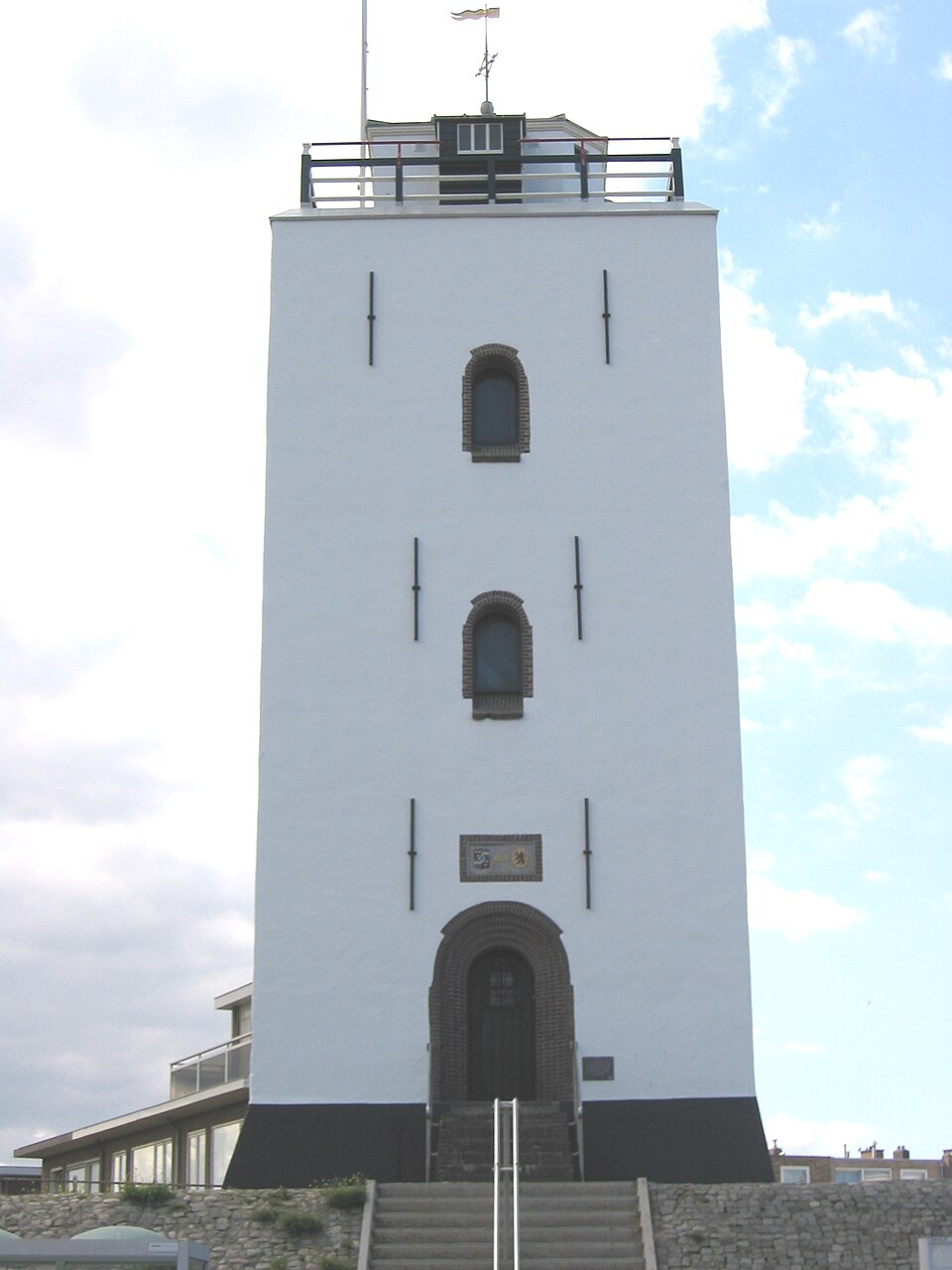
De Vuurbaak: Unveiling Katwijk's Oldest Fisherman's Beacon
For anyone searching online with the query, "
Waar Staat De Vuurbaak?" (Where is The Vuurbaak located?), the answer leads directly to a captivating piece of Dutch maritime history nestled on the scenic South Holland coast: the Vuurbaak of Katwijk aan Zee. More than just an old lighthouse, this venerable structure stands as a testament to centuries of fishing heritage, a silent sentinel that has guided mariners and witnessed the evolution of a vibrant coastal community. While the name "Vuurbaak" (literally "fire beacon" or "lighthouse") can refer to various entities, including a notable publishing house, this article focuses squarely on the historic navigational landmark in Katwijk.
Unraveling the Location: Waar Staat De Vuurbaak?
The Vuurbaak's precise location is in the charming coastal town of Katwijk aan Zee, part of the province of Zuid-Holland. It’s prominently situated on the southwestern edge of the village, creating an iconic silhouette against the North Sea. For visitors, it's remarkably easy to find: it stands directly behind the bustling boulevard, adjacent to the Vuurbaakplein (Vuurbaak Square). The official address is Vuurbaakplein 3, 2225 JB Katwijk aan Zee.
This strategic placement means the Vuurbaak isn't just a historical relic; it's an integral part of Katwijk's contemporary landscape, offering easy access for tourists and locals alike. Imagine strolling along the wide sandy beach, feeling the fresh sea breeze, and then turning towards the town to be greeted by the sturdy, square brick tower. Its position offers not only historical significance but also a prime spot for photography, especially during sunrise or sunset when the light bathes the ancient bricks in warm hues.
A Glimpse into the Past: Katwijk's Ancient Mariner's Guide
The history of the Katwijk Vuurbaak is as rich and deep as the North Sea itself. Constructed in 1605, this impressive brick tower holds the distinguished title of being the second oldest existing lighthouse in the Netherlands, surpassed only by the majestic Brandaris on Terschelling. However, what truly sets it apart is its unique distinction as the *oldest fisherman's beacon* in the country, built specifically to guide Katwijk's fishing fleet safely back to port. Locally, it's also affectionately known as the "Vierboet," a name that underscores its deep connection to the community's maritime roots.
Initially, the Vuurbaak stood approximately 12 to 14 meters high on a former dune, which has since been fully clad with natural stone, making the dune itself unrecognizable. Its primary purpose was a beacon for the hardworking Katwijkse vissers (fishermen). The light source evolved significantly over time:
* **Early Years (17th Century):** A simple wood fire was lit on the flat roof, its flames dancing against the night sky, signaling safety to ships at sea. This fire was only ignited when Katwijk's own vessels were out at sea, making it a very personal beacon for the local fleet.
* **Later Centuries:** The wood fire was eventually replaced by more efficient coal fires, providing a more consistent and brighter light.
* **Mid-19th Century:** Technological advancements brought an oil lamp, further enhanced by a reflector, marking a significant step towards modern lighthouse technology.
By around 1913, with the advent of more sophisticated navigation techniques and larger, more powerful lighthouses along the Dutch coast, the Vuurbaak of Katwijk ultimately lost its original function as a primary navigational aid. Its era as a literal "fire beacon" for daily fishing operations came to an end, but its significance to the town did not diminish.
The Vuurbaak's role extended beyond guiding ships. During the First World War, it served as a vital observation post for the Royal Netherlands Navy, manned by three vigilant sailors. In the Second World War, the German occupation forces repurposed the tower, placing a machine gun on its top, a stark reminder of its strategic importance even in modern warfare. Despite the extensive demolitions in the surrounding neighborhood during the war for the construction of the Atlantic Wall, the Vuurbaak remarkably stood its ground, preserving its historical essence.
De Vuurbaak Today: A Monument Reimagined
Today, the Vuurbaak stands proudly as a designated *rijksmonument* (national monument), signifying its protected status and immense historical value. It is now owned by the municipality of Katwijk, which has overseen several restorations throughout the years to preserve its structural integrity and historical charm.
Far from being a forgotten relic, the Vuurbaak has embraced a new life as a cherished cultural symbol and a popular visitor attraction. While it no longer lights the way for fishing boats, it continues to draw people with its compelling story and impressive views. Visitors have the unique opportunity to
climb Katwijk's ancient Vuurbaak, ascending its historic steps to reach the top. From this vantage point, you are rewarded with breathtaking panoramic vistas of Katwijk aan Zee, the expansive North Sea, the pristine beach, and the surrounding dunes. It’s an unparalleled perspective that connects you directly to the mariners who once relied on this very beacon.
Beyond its physical presence, the Vuurbaak holds deep cultural significance for Katwijk. It is interwoven into local folklore and identity, a steadfast symbol of resilience and the town's enduring connection to the sea. For many generations of Katwijk residents, it represents home, heritage, and the enduring spirit of their fishing community.
Beyond the Beacon: The Enduring Charm of Katwijk aan Zee
The Vuurbaak is undoubtedly a cornerstone of Katwijk's appeal, but the town itself offers a wealth of experiences for visitors. Katwijk aan Zee boasts two prominent monuments directly adjacent to the beach and separated only by the boulevard: the Vuurbaak and the charming "Witte Kerk" (White Church). This duo creates a picturesque setting, perfect for leisurely walks, cycling, and, as mentioned, photography.
Visiting the Vuurbaak is often part of a larger exploration of Katwijk. Here are some tips for making the most of your trip:
*
Combine with a Beach Day: The Vuurbaak is just steps from Katwijk's award-winning beach. Enjoy a refreshing swim, build sandcastles, or simply relax on the sand.
*
Explore the Boulevard: The revamped Katwijk boulevard is a modern architectural marvel, often blending seamlessly with the dunes. It's perfect for a scenic stroll, with plenty of cafes and restaurants offering fresh seafood and local delicacies.
*
Discover Local History: Visit the Katwijk Museum to delve deeper into the town's fishing past and cultural heritage. The Vuurbaak's story will undoubtedly be enriched by context from the museum.
*
Photography Opportunities: Early morning or late afternoon light offers the best conditions for capturing the Vuurbaak's striking architecture against dramatic skies. Its position makes it a fantastic subject.
*
Seasonal Events: Katwijk hosts various events throughout the year, many of which celebrate its maritime traditions. Check local listings for festivals or markets that might coincide with your visit.
To truly
discover De Vuurbaak: Katwijk's Historic Lighthouse & Landmark, immerse yourself not just in the structure itself, but also in the vibrant community it has silently watched over for centuries.
Conclusion
The question "Waar Staat De Vuurbaak?" leads to more than just an address; it uncovers a profound historical narrative. Katwijk's Vuurbaak is far more than a simple geographical point; it is a living monument, a sturdy brick testament to a bygone era of Dutch seafaring and a cherished cultural icon. From its origins as a flickering wood fire guiding weary fishermen home in 1605 to its present-day status as a national monument offering unparalleled coastal views, the Vuurbaak embodies the enduring spirit of Katwijk aan Zee. It invites visitors to step back in time, appreciate the ingenuity of the past, and connect with the timeless beauty of the Dutch coastline. A visit to this ancient beacon is not just a trip to a monument; it's an experience of history, culture, and breathtaking scenery, all wrapped into one unforgettable destination.